
Pipe Repair & Replacement in Augusta, ME
Leak detection, pipe repair and full repiping for Augusta's older homes — durable, code-compliant work.
- Google reviews
- Licensed & insured Master Plumber
- Family-owned since 2022
- Free estimates
Free estimates
No-obligation quote before any work starts.
Request a free estimateSame-day service available
Active leaks and no-water calls go to the front of the line.
Call (207) 549-0064No hidden fees
You approve the price before we pick up a tool.
See typical costs
How a Pipe Leak Happens
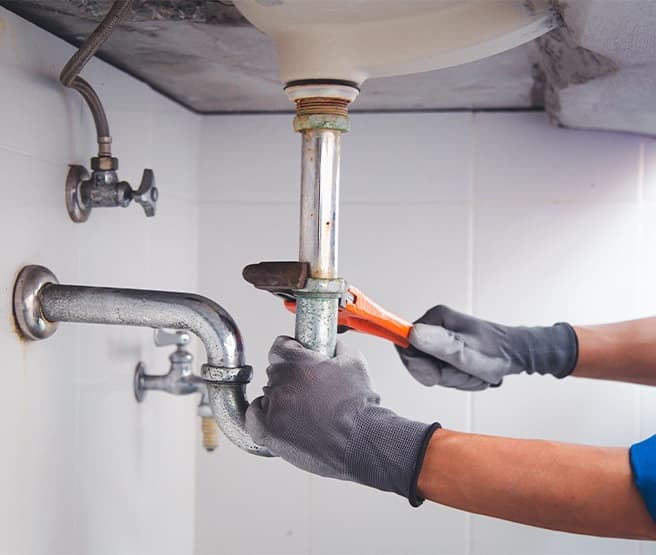
- Supply line — pressurized water inside the wall
- Shutoff valve — closing it stops flow to the leak
- Pinhole leak — sprays fast under pressure
- Water damage — spreads quickly once a line fails
Our team provides expert leak detection, pipe repair, and full pipe replacement services for homes and businesses throughout Central Maine, protecting your property from water damage with durable, code-compliant repairs.
What pipe problems do we fix?
Pinhole leaks in copper, split PEX or polybutylene, corroded galvanised supply lines, cracked cast-iron drains, leaking shut-off valves and outdoor hose bibs — all common in the homes around Augusta, Hallowell and Gardiner.
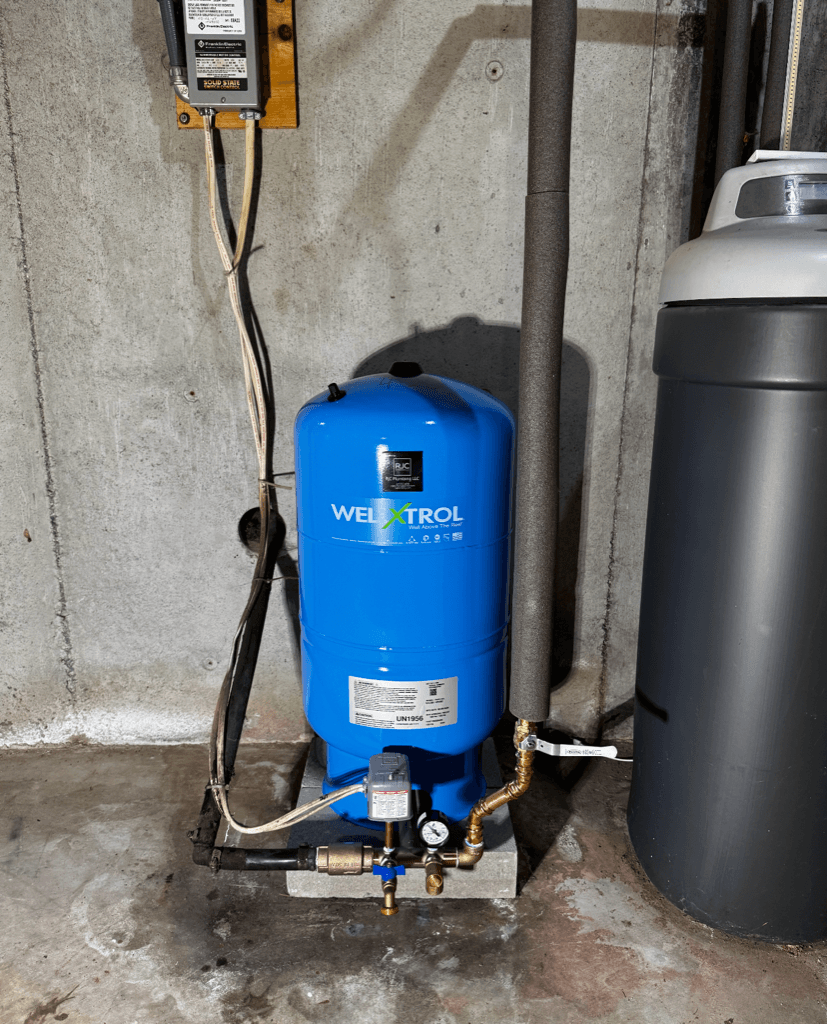
We also repair pressure tanks, the well line from the tank into the house, and supply lines that have been damaged by freezing.
How do you find a hidden leak?
We start with what you have noticed — a stain, a sound, a water bill — then isolate sections of the system, check pressure, and inspect the likely runs. We open walls or ceilings only where needed and as small as possible.
Once found, the failed section is cut out and replaced with matching or better material, then the line is pressure-tested before we close anything up.
Repair or repipe?
One leak in an otherwise sound copper system is a repair. A second or third leak in old galvanised or polybutylene pipe usually means the whole run is near the end of its life, and repiping in PEX or copper is the better investment.
A whole-house repipe on a typical Augusta home takes a few days and is planned so you are never without water overnight. We route new lines through accessible spaces wherever possible.
Frozen pipe prevention in Maine
Lines in exterior walls, crawlspaces and garages are where we replace the most burst pipe every winter. When we repair a freeze break we re-route or insulate the line and add a shut-off for outdoor spigots so it does not happen again.
What does pipe repair cost in Maine?
$250–$1,500
Typical range for locating and repairing a single leak or replacing a valve or hose bib. Whole-house repiping is quoted separately based on the home's size and pipe material. The price is confirmed before work starts.
Every job starts with a free, no-obligation estimate — you get the exact price before any work begins.
What pipe repair customers say
Karen Stutzer
May 2026
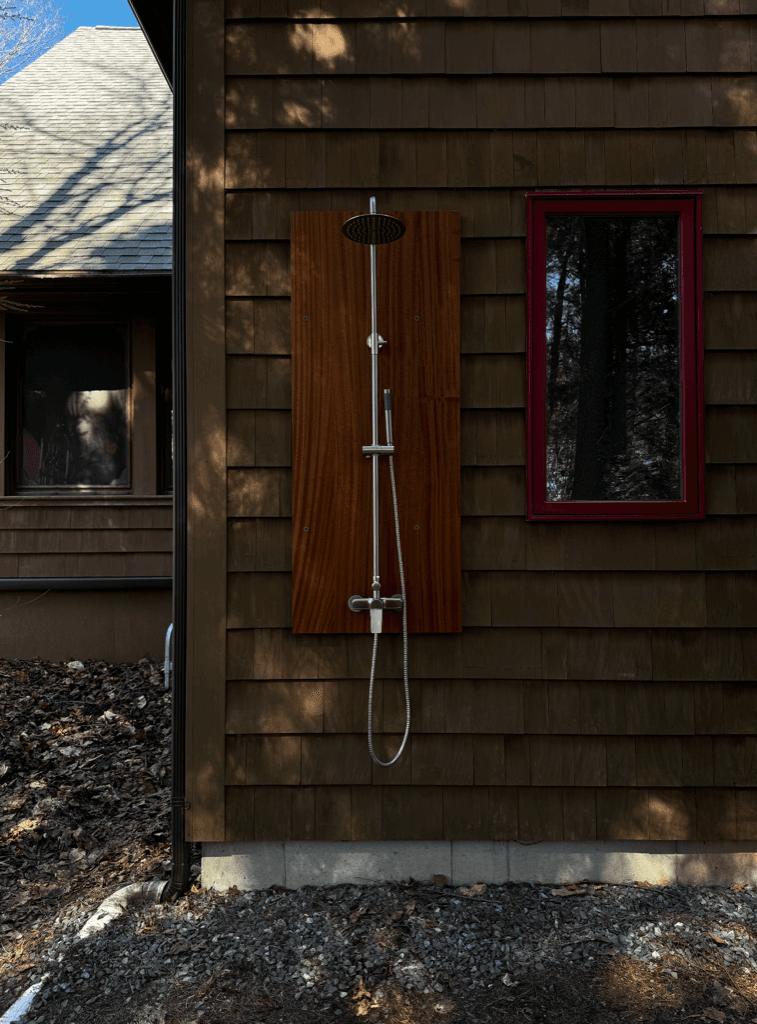
“Wonderful experience. We needed a shower and toilet replaced at our camp. Madison was fabulous with the scheduling and follow up. Riley did the design. He was attentive to my questions and wishes for the work. Riley, Josh and Tim did the installation.”
Dave Corcoran
August 2025
“Great service from RJC Plumbing! I had a leak in the drain pipe coming from the upstairs bathrooms. Riley identified the source, as well as another issue with that pipe, and replaced the bad sections. No more leaks! Very professional, friendly, and knowledgeable.”
Eric Lambert
August 2025
“I called at 7am asking if they would have time to change out our anti siphon silcock which was leaking by. Tim was at our home just prior to 3pm. Less than an hour later he had a new valve in place. He had to cut an access hole to get to the existing silcock.”


Pipe Repair: Materials, Failure Points & Maine Winters
What a supply or drain line is made of changes how it fails, how urgent the fix is, and whether a spot repair makes sense or the whole run should be replaced while the wall is already open. A Maine winter adds one more variable that a warmer-climate plumbing guide won't mention: freeze risk, and how much damage a single hard freeze can do to a line that a homeowner assumed was fine.
Pipe Materials in Maine Homes
| Material | Where it shows up | What tends to fail |
|---|---|---|
| Copper | Most homes built from roughly the 1960s onward; still the standard for new work and repairs | Pinhole leaks from age, water chemistry, or a stray electrical ground bonded to the pipe; joints that were never fully soldered |
| PEX | Common in newer construction and re-pipes since the 2000s, since it flexes around obstructions and resists freeze-splitting better than rigid pipe | Fittings and crimp/clamp connections more often than the tubing itself; UV degradation if ever left exposed to sunlight |
| Galvanized steel | Homes built before the 1960s that haven't been re-piped | Internal corrosion narrows the pipe from the inside over decades, showing up as falling water pressure and eventually rust-colored water, well before it actually leaks |
| Polybutylene | Some homes built roughly 1978-1995 | Fittings and the pipe itself degrade from chlorine exposure over time; insurers often flag it, and most plumbers recommend planning a re-pipe rather than spot-repairing it |
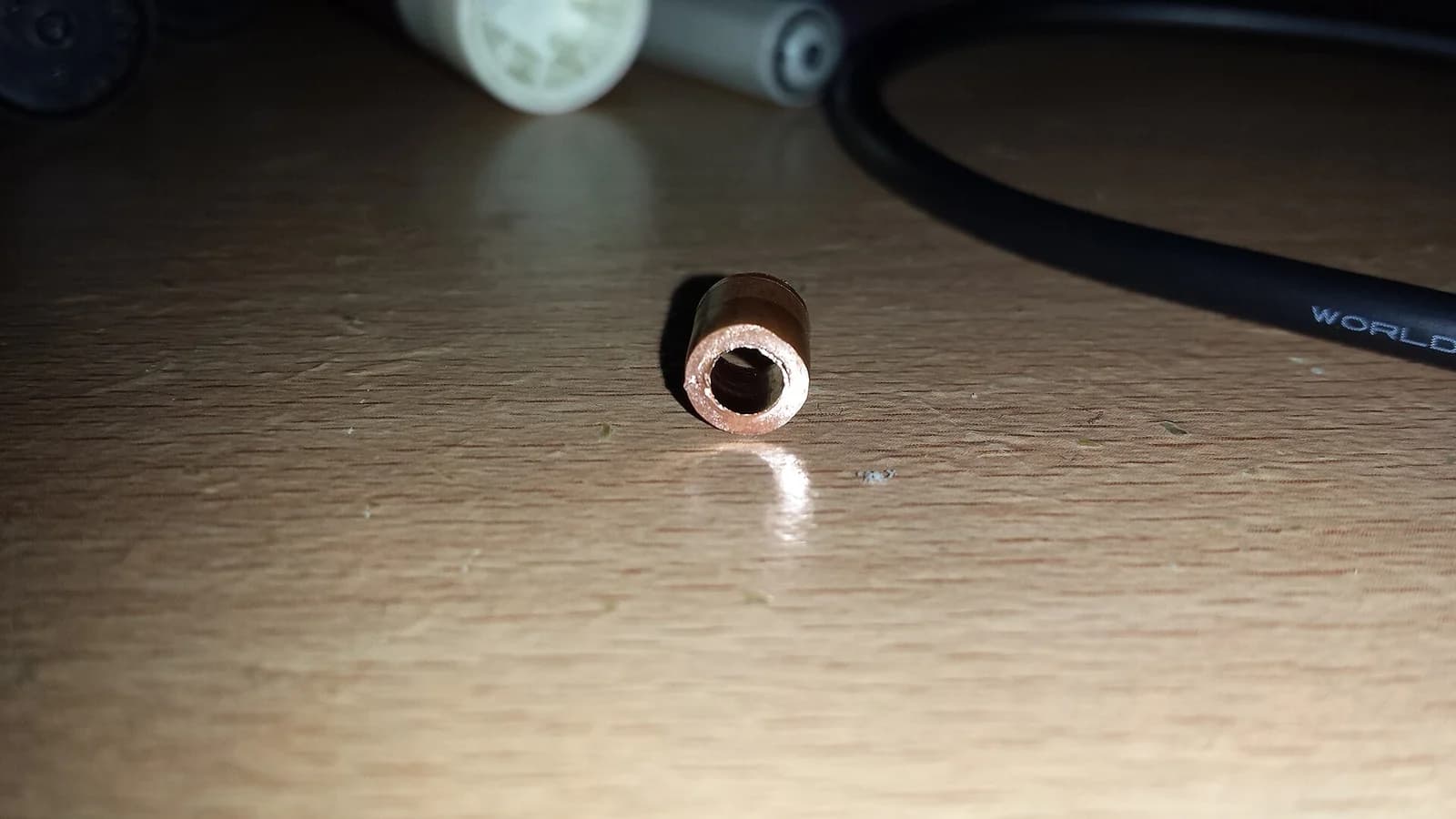
Copper: Pinholes Are a Pattern, Not Bad Luck
A single pinhole leak in copper is a repair. Multiple pinhole leaks showing up within a year or two of each other, especially on the same run of pipe, usually means the water chemistry or a stray electrical ground is attacking the copper generally — repairing each hole as it appears without addressing the cause just buys time between callbacks. We look at the whole system, not just the hole in front of us, once a second pinhole shows up.
Galvanized Steel: Pressure Loss Is the Early Warning
Galvanized pipe corrodes from the inside, narrowing its usable diameter years before it actually springs a leak. A steady, gradual drop in water pressure throughout an older home — not a sudden drop, which usually points elsewhere — is the classic sign that the galvanized supply lines are corroding shut rather than failing outright. Once pressure loss is noticeable at multiple fixtures, a partial or full re-pipe is usually a better long-term answer than chasing individual sections.
Freeze Protection for Maine Winters
- Pipes running through an unheated crawlspace, attic, or exterior wall are the ones that freeze first — insulating the pipe itself matters more there than raising the thermostat.
- A slow, steady drip from a faucet on a vulnerable line during a hard cold snap keeps water moving and meaningfully reduces freeze risk; it's a legitimate short-term measure, not an old wives' tale.
- Disconnect and drain outdoor hose bibs before the first hard freeze — a bib without a proper frost-free design can split even when the interior of the house stays warm.
- If a pipe does freeze, a slowly restored flow with gentle heat (a hair dryer, not an open flame) beats waiting it out; a fully frozen section with no water movement at all is the one that's most likely to have already split.
Repair vs. Repipe
A single leak on an otherwise sound system is a repair. Recurring leaks, a material with known long-term problems (polybutylene, or galvanized past the point of pressure loss), or a renovation that already has the walls open are all situations where a partial or full re-pipe costs less over the life of the system than repeated spot repairs. We'll give a straight answer on which situation you're in rather than defaulting to the more expensive option.
Pipe Repair questions from Augusta homeowners
My water bill jumped but I cannot see a leak. Can you find it?
Yes. We isolate the system, check pressure and inspect the likely runs to find hidden leaks under slabs, in walls, and in the line from the well or street.
Do you replace galvanised or polybutylene pipe?
Yes. Both are past their service life in most Central Maine homes. We replace them with PEX or copper and bring shut-offs and connections up to code.
Will you have to open my walls?
Only where needed and as small as possible. Many repairs are reached from basements, crawlspaces or access panels. We tell you before cutting anything.
Can you fix a leaking outdoor faucet or hose bib?
Yes. Frost-free hose bibs and anti-siphon spigots are a quick replacement, and we add an interior shut-off if there is not one already.
Do you repair well pressure tanks and the line into the house?
Yes. Waterlogged or leaking pressure tanks, pressure switches and the line from the well to the tank are all part of our pipe and well service.
Is the repair guaranteed?
Our work is pressure-tested before we leave and we stand behind it. If a repair we made fails, call us and we will make it right.
Related plumbing services
- Kitchen Plumbing
- Bathroom Plumbing
- New Construction
- Emergency Repairs
- Water Heaters
- Drain Cleaning
- Well Pump Repair
- Sump Pumps
Pipe Repair across Central Maine
Get a free pipe repair estimate
Tell us what you need and we will get right back to you — usually within a few hours.
Need it today?Call (207) 549-0064
More ways we can help
Google reviewsService areas
17The same service reaches nearby communities such as
- Central Maine service areas
- Plumber in Augusta, ME
- Plumber in Brunswick, ME
- Plumber in Waterville, ME
- Plumber in Gardiner, ME
- Plumber in Hallowell, ME
- Plumber in Winthrop, ME
- Plumber in Farmingdale, ME
- Plumber in Manchester, ME
- Plumber in Winslow, ME
- Plumber in Oakland, ME
- Plumber in Topsham, ME
- Plumber in Bath, ME
- Plumber in Lewiston, ME
- Plumber in Auburn, ME
- Plumber in Lisbon, ME
- Plumber in Sabattus, ME
Guides & tips
4Learn more from our plumbing guides, including
Company
4Get to know RJC Plumbing through
Plumbing services
9Homeowners often pair this with our other work, such as