
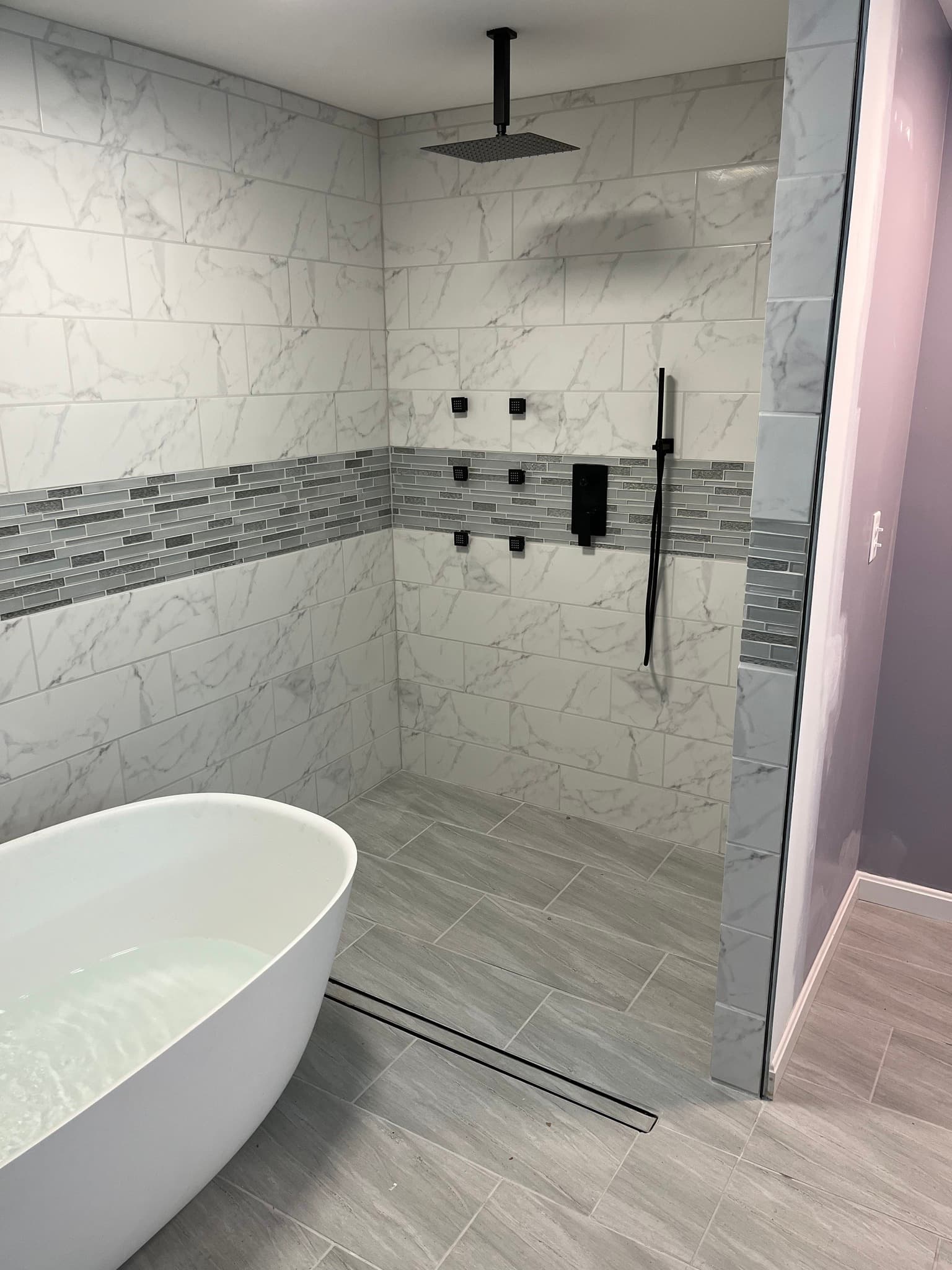
Building a new home is one of the biggest investments you'll ever make, and the plumbing system is at the heart of it. Every kitchen, bathroom, laundry room, and utility space depends on properly designed and installed plumbing. Get it right, and you'll have decades of trouble-free performance. Get it wrong, and you're looking at expensive repairs that require tearing open walls and floors.
At RJC Plumbing, we handle new construction plumbing projects across Central Maine — from single-family homes to multi-unit builds. Here's our comprehensive guide to what goes into plumbing a new home and what every homeowner and builder should know.
Phase 1: Planning and Design
Good plumbing starts long before any pipes go in the ground. During the planning phase, your plumber should review the architectural plans and work with the builder to determine the optimal layout for supply lines, drain lines, and venting. The goal is to minimize long pipe runs, reduce the number of fittings, and ensure adequate water pressure to every fixture.
Key decisions during this phase include:
- Pipe material — PEX is now the standard for supply lines in new Maine construction due to its flexibility, freeze resistance, and lower cost compared to copper. For drain and waste lines, PVC and ABS are the most common choices.
- Water heater type and placement — Choosing between a traditional tank and a tankless water heater affects where the unit is placed, how gas or electrical lines are run, and how hot water reaches distant fixtures. In Maine's climate, water heater sizing matters more than in warmer states because incoming water temperatures can drop below 40°F in winter.
- Fixture locations — Every sink, toilet, shower, tub, and appliance connection needs to be planned. Moving fixture locations after the rough-in is complete is extremely expensive, so getting the layout right during planning is critical.
Phase 2: Underground and Slab Work
Before the foundation is poured, underground drain lines and sewer connections need to be installed. This includes the main sewer line running from the house to the municipal connection or septic system, as well as any under-slab drainage for basement bathrooms or floor drains.
In Central Maine, frost depth is a major consideration. Water and sewer lines must be buried below the frost line — typically 4 to 5 feet deep in our area — to prevent freezing. This is where local experience matters. A plumber who works regularly in Augusta, Waterville, and surrounding communities knows the soil conditions, frost depths, and municipal connection requirements for each town.
Phase 3: Rough-In
The rough-in is the most labor-intensive phase of new construction plumbing. This is when all supply lines, drain lines, and vent pipes are installed inside the walls, floors, and ceilings — before drywall goes up. Everything needs to be precisely placed according to the plans, properly supported, and pressure-tested before it gets hidden behind finished surfaces.
During the rough-in, your plumber will install:
- Supply lines — Hot and cold water lines to every fixture location, including kitchen sinks and appliances, bathroom fixtures, laundry hookups, and outdoor hose bibs
- Drain and waste lines — Properly sloped drain pipes connecting every fixture to the main waste line, with cleanout access points for future maintenance
- Vent pipes — Every drain needs a vent to function properly. Vents prevent siphoning of trap water and allow air into the system so drains flow freely. Improper venting is one of the most common mistakes we see in DIY and poorly supervised plumbing work.
- Gas lines — If the home uses natural gas or propane for the water heater, furnace, range, or fireplace, those gas lines are typically run during the plumbing rough-in.
After rough-in is complete, the system undergoes a pressure test and inspection by the local code official before the walls can be closed up.
Phase 4: Fixture Installation
Once the house is drywalled, painted, and nearing completion, the plumber returns for the finish phase — also called the "trim" phase. This is when all visible fixtures and appliances are installed and connected to the rough-in plumbing.
Finish work includes:
- Kitchen — Sink, faucet, garbage disposal, dishwasher connection, refrigerator ice maker line, and pot filler if applicable. Our kitchen plumbing team ensures every connection is leak-free and every fixture is properly secured.
- Bathrooms — Toilets, vanity sinks, faucets, showers, tubs, and any specialty fixtures like bidet seats or steam shower valves. We handle complete bathroom plumbing installations from basic half-baths to high-end master suites.
- Utility areas — Laundry connections, utility sinks, water heater final hookup, and water softener or filtration systems if specified.
- Exterior — Freeze-proof hose bibs, outdoor kitchen connections, and any irrigation tie-ins.
Maine-Specific Considerations
Building in Maine comes with plumbing challenges that builders in other parts of the country don't face. Here are the big ones:
Freeze Protection
Every exterior wall pipe, every line running through an unheated space, and every hose bib needs freeze protection. In new construction, this means insulating pipes, routing supply lines through interior walls whenever possible, and installing frost-proof sillcocks for exterior hose connections. We've seen too many homeowners deal with frozen and burst pipes in homes that cut corners on freeze protection during construction.
Well and Septic Systems
Many new homes in rural areas of Winthrop, Farmingdale, Manchester, and surrounding towns rely on private wells and septic systems. This adds complexity to the plumbing design — the system needs a pressure tank, potential water treatment, and proper septic-compatible fixtures. Your plumber should be experienced with both municipal and well/septic configurations.
Energy Efficiency
With Maine's high heating costs, energy-efficient plumbing choices make a real difference. High-efficiency water heaters, insulated hot water lines, and recirculation systems can reduce energy waste significantly. Tankless water heaters are increasingly popular in new construction because they only heat water on demand, but they require proper sizing — especially in Maine where incoming water is extremely cold for much of the year.
Common New Construction Plumbing Mistakes
After years of working on new builds and fixing problems in recently constructed homes, here are the mistakes we see most often:
- Undersized supply lines — Results in low pressure when multiple fixtures run simultaneously
- Inadequate venting — Causes slow drains, gurgling sounds, and sewer gas entering the home
- Poor drainage slope — Drain lines need a consistent slope of 1/4 inch per foot. Flat spots cause chronic clogs.
- Insufficient cleanout access — Future drain cleaning and pipe repairs become much harder and more expensive without proper cleanout access points
- Ignoring expansion and contraction — PEX and other materials expand and contract with temperature changes. Without proper support and allowance for movement, pipes can rub against framing and develop leaks over time.
How to Choose a New Construction Plumber
Your builder may have a preferred plumber, but as the homeowner, you should know what to look for in a plumbing contractor. The key factors are licensing, local experience, communication, and a track record with new construction specifically. A plumber who primarily does service work may not have the expertise for a complex rough-in, and vice versa.
At RJC Plumbing, we work with builders throughout the Kennebec Valley — in Augusta, Gardiner, Hallowell, Waterville, and beyond. We handle every phase of new construction plumbing from underground work through final trim, and we coordinate directly with your builder to keep the project on schedule.
What to Expect Costwise
Plumbing typically accounts for 10-15% of a new home's total construction cost. For a standard 3-bedroom, 2-bathroom home in Central Maine, you should budget accordingly for supply and drain rough-in, fixture installation, water heater, and any specialty work like gas piping or radiant heat connections.
The best way to get an accurate estimate is to share your plans with a qualified plumber early in the process. We provide detailed proposals that break down every phase of work so you know exactly what you're paying for.
Planning a New Build?
If you're building a new home or addition in Central Maine, getting your plumbing right from the start is the smartest investment you can make. View our full range of plumbing services, learn about our team, or reach out for a free consultation. You can also call us directly at (207) 549-0064 — we're happy to review your plans and provide a detailed estimate at no cost.
Check out our blog for more plumbing tips and advice for Central Maine homeowners.